
The Sports Viewing Revolution: An In-Depth Analysis of the Impact of Platforms on Football and the Media Economy
player

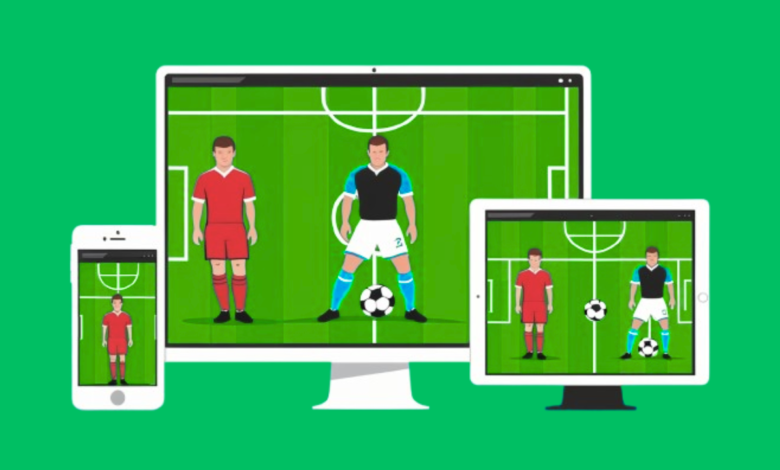
Remember when watching football meant gathering around the family television at a predetermined time, hoping your cable package included the right channel? Those days are rapidly disappearing into nostalgia. The traditional broadcast model—where a handful of networks controlled access to live sports and families planned their schedules around kickoff times—has been fundamentally disrupted by a technological and cultural transformation that’s reshaping how billions of fans experience the world’s most popular sport.
The shift from communal living room viewing to personalized, multi-screen streaming represents more than just technological progress—it’s a complete reimagining of sports consumption. OTT (Over-The-Top) platforms have demolished the barriers that once gave traditional broadcasters monopolistic control over football distribution. Fans now watch matches on smartphones during commutes, tablets in coffee shops, smart TVs with integrated apps, and laptops anywhere with internet connectivity. The “appointment television” model has given way to on-demand flexibility where viewers control when, where, and how they consume content.
This comprehensive analysis explores the sports viewing revolution: an in-depth analysis of the impact of platforms on football and the media economy, examining how the “beautiful game” transformed from a broadcast product into a digital-first ecosystem. We’ll investigate how tech giants disrupted traditional media, how financial structures shifted beneath the sport, and what this means for leagues, clubs, broadcasters, and most importantly, the fans whose viewing habits are simultaneously driving and being shaped by this unprecedented change.
Understanding the Sports Viewing Revolution: An In-Depth Analysis of the Impact of Platforms on Football and the Media Economy
The Rise of Tech Giants in Football Broadcasting
The entry of Amazon Prime Video, Apple TV+, DAZN, and other technology platforms into football broadcasting represents a seismic shift in the sports media landscape. These companies didn’t gradually evolve into sports broadcasting—they arrived with massive resources and fundamentally different business models than traditional networks. Amazon’s acquisition of Premier League rights in the UK, Apple’s landmark deal for MLS Season Pass, and DAZN’s aggressive global expansion signal that football has become a strategic asset for technology companies building comprehensive entertainment ecosystems.
Unlike traditional broadcasters whose revenue depends primarily on advertising and subscription fees for sports content itself, tech giants view football as a tool for broader platform growth. Amazon leverages Premier League matches to drive Prime memberships, knowing that subscribers who join for football also purchase merchandise, stream movies, and use AWS services. Apple sees MLS as content differentiating Apple TV+ from Netflix and Disney+, while also collecting valuable data on viewing habits to refine their algorithms and advertising targeting. This strategic difference allows tech platforms to outbid traditional broadcasters who must justify rights costs directly through sports-related revenue.
The implications are profound. Traditional networks like Sky Sports, ESPN, and beIN Sports—companies that built their identities around sports broadcasting—now compete against corporations with market capitalizations in the trillions and business models that don’t require sports programming to be independently profitable. This asymmetry in bidding power and strategic value has fundamentally altered the economic dynamics of rights negotiations, with leagues benefiting from inflated rights fees while traditional broadcasters face existential questions about their future relevance.
Transformed Consumer Behavior Across Generations
Gen Z and Millennial football fans consume matches differently than previous generations, and sports streaming platforms impact how they experience the game. The traditional 90-minute live viewing experience competes with highlight reels, tactical analysis clips, player-focused content, and “snackable” moments optimized for social media sharing. Younger audiences increasingly discover football through Instagram, TikTok, and YouTube clips rather than through traditional match broadcasts, then selectively choose which full matches warrant their attention.
This behavioral shift extends to multi-tasking during live matches. Modern viewers simultaneously watch games while checking real-time statistics, participating in Twitter discussions, placing live bets, playing fantasy football, and messaging friends—often using the same device or multiple screens. Streaming platforms have adapted by integrating these activities directly into viewing experiences, offering picture-in-picture modes showing multiple matches simultaneously, embedded social feeds, live stats overlays, and interactive features that traditional television never provided.
The implications for content strategy are significant. Platforms now optimize for “engagement time” across entire ecosystems rather than just maximizing viewership during the 90-minute match window. Pre-match shows, post-match analysis, behind-the-scenes content, player documentaries, and tactical breakdowns extend engagement before and after matches. This content strategy transforms football from a discrete product (the match) into an ongoing content stream that keeps subscribers engaged throughout the week, month, and season—fundamentally changing how the sports viewing platforms economy operates.
Football as Platform Content Ecosystem
Football has evolved from a sport into “content”—a strategic asset within broader platform ecosystems designed to drive subscriptions, advertising revenue, data collection, and cross-platform engagement. This perspective shift is crucial for understanding the sports viewing revolution. When Amazon broadcasts Premier League matches, they’re not primarily selling football—they’re using football to sell Prime memberships that generate revenue through multiple channels: subscription fees, e-commerce purchases, advertising, and cloud services to other businesses.
This ecosystem approach explains why platforms invest in comprehensive football-related content beyond live matches. Amazon produces original documentaries like “All or Nothing” following specific clubs, provides extensive pre and post-match studio coverage, and creates supplementary programming that keeps football fans engaged with their platform even during the off-season. Apple’s MLS Season Pass includes not just live matches but every MLS and Leagues Cup game, original shows, and integrated highlight packages—a complete MLS universe within Apple’s broader entertainment ecosystem.
The strategic value of football content extends to data collection and personalization. Every viewing choice, every interaction, every engagement metric feeds algorithms that personalize content recommendations, optimize advertising, and inform future content acquisition decisions. This data-driven approach to understanding audience preferences gives technology platforms significant advantages over traditional broadcasters who historically relied on crude Nielsen ratings and demographic surveys rather than granular individual viewing data.
The Shift in Football’s Financial Architecture
Digital Platform Bidding Wars
The arrival of streaming platforms has dramatically inflated the value of domestic and international football broadcasting rights through aggressive bidding wars. When Amazon, Apple, and DAZN compete alongside traditional broadcasters for rights packages, the increased competition drives prices to levels that would have seemed impossible a decade ago. The English Premier League’s most recent domestic rights cycle generated over £5 billion for three seasons—astronomical figures justified by platforms viewing football as strategic infrastructure rather than standalone programming.
However, this inflation isn’t uniform across all leagues and territories. Top-tier properties like the Premier League, Champions League, and major international tournaments command premium valuations because they deliver guaranteed massive audiences that justify platform investment. Mid-tier leagues and secondary competitions face more challenging dynamics—while some benefit from increased platform demand, others struggle to generate competitive bidding when platforms concentrate resources on premium properties with proven global appeal.
The bidding war phenomenon also creates instability in rights valuation. When platforms make aggressive bids based on strategic value rather than direct revenue potential, they sometimes overpay relative to what content actually delivers. DAZN’s financial struggles after aggressive rights acquisitions demonstrate the risks of this strategy. If streaming services fail to convert rights spending into sustainable subscriber growth and retention, they may reduce future bidding, creating boom-bust cycles in rights valuations that introduce financial uncertainty for leagues and clubs dependent on broadcasting revenue.
Direct-to-Consumer Platforms and Traditional Network Displacement
Leagues increasingly launch proprietary direct-to-consumer streaming platforms, bypassing traditional broadcasters entirely. FIFA+, NBA League Pass, MLB.TV, and MLS Season Pass (partnered with Apple) represent a fundamental shift in content distribution strategy. Rather than licensing rights to third-party broadcasters, leagues directly monetize their content, capturing subscription revenue and viewer data while controlling the entire customer experience from marketing through delivery to customer service.
This direct-to-consumer approach offers leagues significant advantages: higher revenue per subscriber without sharing with broadcast partners, comprehensive data on viewer preferences and behaviors, ability to bundle supplementary content (archives, documentaries, youth competitions) that traditional broadcasters won’t air, and complete control over branding and presentation. However, it also requires substantial investment in technology infrastructure, customer acquisition and retention, and competing for attention in an increasingly crowded streaming marketplace.
Traditional networks like Sky Sports, ESPN, and regional sports networks face existential threats from this displacement. Their historical role as intermediaries between sports properties and audiences becomes less relevant when leagues can reach fans directly. Some broadcasters are adapting by becoming platforms themselves (ESPN+, Sky Sports streaming), but they compete against leagues’ owned platforms and tech giants with vastly larger resources. The question isn’t whether traditional sports networks will survive, but what form they’ll take in an environment where they no longer control distribution.
The Fragmented Market and Rising Fan Costs
The sports viewing revolution has created a fragmented marketplace where following a single football club often requires multiple subscriptions across different platforms. A Premier League fan in the UK might need Sky Sports for most matches, BT Sport (now TNT Sports) for others, and Amazon Prime for specific fixtures. Champions League requires another subscription. International friendlies might appear on yet another platform. Add FA Cup, League Cup, and domestic league matches, and comprehensive coverage requires juggling half a dozen services at combined monthly costs exceeding traditional cable packages.
This fragmentation benefits leagues through increased total rights revenue but creates “subscription fatigue” among fans who feel nickeled-and-dimed by having to pay multiple companies for content they previously accessed through single cable subscriptions. The economic burden particularly affects casual fans and those in lower-income demographics who must choose which competitions they can afford to follow, potentially reducing overall engagement with the sport.
Piracy thrives in this fragmented environment. When legitimate access requires managing multiple subscriptions, navigating different apps and interfaces, and still potentially missing matches not available in your region, illegal streaming becomes an attractive alternative. Research consistently shows that piracy correlates more strongly with availability and convenience friction than with cost—people will pay for content if accessing it legally is straightforward, but resort to illegal options when legitimate access becomes complicated. The current fragmented landscape inadvertently drives piracy by creating exactly the convenience friction that pushes frustrated fans toward illegal streams.
Technological Catalysts: Beyond the Screen
Interactive and Immersive Viewing Experiences
Modern streaming platforms transform passive television viewing into interactive experiences that engage audiences beyond merely watching the match. Real-time statistics overlays show possession percentages, pass completion rates, player heat maps, and expected goals (xG) during live play. Integrated betting odds update continuously, allowing viewers to place wagers without leaving the streaming app. Social media feeds display what fans worldwide are saying about key moments. Multiple camera angles let viewers choose perspectives—tactical wide view, player-focused cameras, or goal-line angles.
This interactivity extends to gamification features that increase engagement. Platforms offer prediction games where viewers forecast match outcomes, scorers, and key events to earn points and compete on leaderboards. Fantasy football integration updates in real-time as players accumulate points during matches. Some platforms experiment with viewer voting on questions like “player of the match” or preferred tactical substitutions, creating participatory elements that make audiences feel invested beyond passive observation.
The technological sophistication of these features serves dual purposes: enhancing viewer experience while simultaneously collecting valuable engagement data. Every interaction—which stats viewers check, which camera angles they prefer, how long they watch analysis versus live action—informs algorithms optimizing content presentation and advertising placement. This data-driven personalization represents a fundamental advantage streaming platforms hold over traditional television broadcasts that couldn’t adapt presentation to individual viewer preferences.
Artificial Intelligence and Data-Driven Personalization
Artificial intelligence powers personalization engines that tailor football content to individual preferences, maximizing engagement and retention. Recommendation algorithms analyze viewing history to suggest matches, highlight packages, and supplementary content aligned with demonstrated interests. If data shows you consistently watch Premier League matches featuring specific players, the platform prioritizes content featuring those athletes. If you frequently rewatch tactical analysis videos, you’ll receive more analytical content in your feed.
AI also enables automated content creation that expands available programming without proportional cost increases. Automated highlight generation uses computer vision to identify key match moments—goals, saves, fouls, near-misses—and assemble customized highlight packages catering to individual time constraints and preferences. One viewer might receive a comprehensive 15-minute recap, while another gets a rapid 90-second version optimized for mobile viewing during commute. Automated tactical analysis provides visualizations of passing networks, defensive shape, and attacking patterns without requiring human analysts for every match across every league.
The advertising implications are equally significant. AI-driven dynamic ad insertion replaces traditional broadcast commercials with personalized advertisements targeted to individual viewers based on demographics, viewing history, and broader online behavior. Two viewers watching the same match might see completely different commercials in the same ad break. This personalization increases advertising value—brands pay premium rates for guaranteed relevance to target demographics—while potentially improving viewer experience by showing ads for products they’re more likely to find interesting than generic broadcast commercials.
5G Networks and Mobile-First Consumption
The rollout of 5G networks enables truly mobile-first sports consumption by providing sufficient bandwidth for high-quality video streaming on smartphones and tablets without Wi-Fi connectivity. Previous mobile network generations struggled with the data demands of live HD video, causing buffering, quality drops, and frustrated viewers. 5G’s dramatically increased speeds and reduced latency make mobile streaming as reliable as home broadband, fundamentally changing where and how people watch football.
This mobile enablement is particularly significant in developing markets where smartphone penetration exceeds traditional television or home broadband access. Football fans in Africa, Asia, and Latin America increasingly experience matches primarily through mobile devices—the stadium of the future literally exists in the palm of their hand. This shift influences content creation as platforms optimize for vertical video formats, shorter attention spans typical of mobile usage, and interfaces designed for touchscreen interaction rather than television remotes.
Mobile consumption also enables real-time engagement and “second-screen” experiences even when viewers attend matches in person. Fans in stadiums use apps to check replays from multiple angles, view statistics, order concessions for delivery to their seats, and share experiences on social media—all while physically present at the match. This blending of physical attendance and digital augmentation represents the future of live sports, where in-person and virtual experiences complement rather than compete with each other.
Global Impact: Media Economy Reshaping Leagues
Widening Financial Disparities Between Leagues
Platform-driven broadcasting revenue dramatically widens wealth gaps between elite leagues and secondary competitions. The English Premier League generates over £10 billion in broadcasting rights across domestic and international markets, dwarfing the revenues available to La Liga, Serie A, and especially smaller European leagues and South American competitions. This disparity isn’t new, but streaming platforms amplify it by concentrating investment on proven global properties with established fan bases rather than distributing spending across broader football ecosystems.
The economic consequences reshape competitive dynamics across football. Clubs in wealthy leagues can pay higher salaries, attract superior talent, and invest in better facilities and youth development—advantages that compound over time. Players from smaller leagues migrate toward financial centers in England, Spain, and Germany, depleting talent from their home competitions and reducing the quality and appeal of those leagues. This creates self-reinforcing cycles where popular leagues become more popular while others struggle to compete for attention and investment.
Some leagues and competitions face existential questions in this environment. If streaming platforms determine that certain properties don’t generate sufficient subscriber acquisition or retention to justify rights investment, those leagues may find themselves without viable broadcasting partners. Traditional linear television also declines in reach and relevance, removing the secondary option that historically provided revenue even when primary rights holders weren’t interested. The result could be a bifurcated football world with a small number of super-wealthy elite leagues and a long tail of competitions struggling for financial survival.
Globalization of Football Clubs as Media Brands
Digital accessibility transforms top football clubs from regional sports teams into global media brands with fandoms spanning continents. Manchester United, Real Madrid, Barcelona, and other elite clubs cultivate supporters in Asia, Africa, and North America who’ve never visited the clubs’ cities but feel deep connections through digital content consumption. Streaming platforms accelerate this globalization by making matches available worldwide, eliminating geographic barriers that once limited fandom to people who could access local broadcasts or attend matches in person.
This global reach fundamentally changes how clubs operate and prioritize. Pre-season tours target growth markets in Asia and North America, scheduling matches at times optimized for those regions’ viewers rather than home fans. Social media content is produced in multiple languages targeting different demographic groups. Commercial partnerships prioritize brands with global reach over local businesses. Even on-field decisions—signing players popular in target markets, playing entertaining attacking styles that attract casual viewers—are influenced by global brand-building considerations.
The tension between localization and globalization creates cultural conflicts within football. Traditional local supporters resent clubs prioritizing distant fans who’ve never attended a match, arguing this commercialization betrays the sport’s working-class roots and community identity. Meanwhile, global digital fans who financially support clubs through merchandise purchases and streaming subscriptions argue their engagement is equally valid. Streaming platforms indirectly drive these tensions by making global audiences financially valuable, incentivizing clubs to optimize for worldwide appeal even at the expense of local tradition.
Platform Comparison and Market Analysis
<table style=”width: 100%; border-collapse: collapse; margin: 20px 0; font-family: Arial, sans-serif;”> <thead> <tr style=”background-color: #e74c3c; color: white;”> <th style=”padding: 12px; text-align: left; border: 1px solid #ddd;”>Platform</th> <th style=”padding: 12px; text-align: left; border: 1px solid #ddd;”>Key Football Properties</th> <th style=”padding: 12px; text-align: left; border: 1px solid #ddd;”>Business Model</th> <th style=”padding: 12px; text-align: left; border: 1px solid #ddd;”>Strategic Advantage</th> <th style=”padding: 12px; text-align: left; border: 1px solid #ddd;”>Target Market</th> </tr> </thead> <tbody> <tr style=”background-color: #ecf0f1;”> <td style=”padding: 10px; border: 1px solid #ddd;”><strong>Amazon Prime Video</strong></td> <td style=”padding: 10px; border: 1px solid #ddd;”>Premier League (UK), Champions League (select markets), NFL</td> <td style=”padding: 10px; border: 1px solid #ddd;”>Sports as Prime membership driver</td> <td style=”padding: 10px; border: 1px solid #ddd;”>Cross-platform ecosystem integration</td> <td style=”padding: 10px; border: 1px solid #ddd;”>Existing Prime members, e-commerce users</td> </tr> <tr> <td style=”padding: 10px; border: 1px solid #ddd;”><strong>Apple TV+</strong></td> <td style=”padding: 10px; border: 1px solid #ddd;”>MLS Season Pass, potential future acquisitions</td> <td style=”padding: 10px; border: 1px solid #ddd;”>Premium content differentiation</td> <td style=”padding: 10px; border: 1px solid #ddd;”>Hardware ecosystem integration (iPhone, iPad, Apple TV)</td> <td style=”padding: 10px; border: 1px solid #ddd;”>Apple device owners, premium subscribers</td> </tr> <tr style=”background-color: #ecf0f1;”> <td style=”padding: 10px; border: 1px solid #ddd;”><strong>DAZN</strong></td> <td style=”padding: 10px; border: 1px solid #ddd;”>Champions League (Germany), various leagues globally, boxing</td> <td style=”padding: 10px; border: 1px solid #ddd;”>Sports-focused subscription service</td> <td style=”padding: 10px; border: 1px solid #ddd;”>Aggregating multiple sports properties</td> <td style=”padding: 10px; border: 1px solid #ddd;”>Dedicated sports fans seeking consolidated access</td> </tr> <tr> <td style=”padding: 10px; border: 1px solid #ddd;”><strong>ESPN+</strong></td> <td style=”padding: 10px; border: 1px solid #ddd;”>La Liga, Bundesliga (US), FA Cup, various leagues</td> <td style=”padding: 10px; border: 1px solid #ddd;”>Sports streaming + Disney bundle</td> <td style=”padding: 10px; border: 1px solid #ddd;”>ESPN brand recognition, Disney cross-promotion</td> <td style=”padding: 10px; border: 1px solid #ddd;”>US sports fans, Disney bundle subscribers</td> </tr> <tr style=”background-color: #ecf0f1;”> <td style=”padding: 10px; border: 1px solid #ddd;”><strong>Paramount+</strong></td> <td style=”padding: 10px; border: 1px solid #ddd;”>Champions League, Europa League (US), Serie A</td> <td style=”padding: 10px; border: 1px solid #ddd;”>Sports + entertainment streaming</td> <td style=”padding: 10px; border: 1px solid #ddd;”>CBS Sports integration, entertainment content</td> <td style=”padding: 10px; border: 1px solid #ddd;”>US viewers seeking European football + CBS shows</td> </tr> <tr> <td style=”padding: 10px; border: 1px solid #ddd;”><strong>League-Owned (FIFA+, MLS Pass)</strong></td> <td style=”padding: 10px; border: 1px solid #ddd;”>Specific league content, archives, youth competitions</td> <td style=”padding: 10px; border: 1px solid #ddd;”>Direct-to-consumer, data collection</td> <td style=”padding: 10px; border: 1px solid #ddd;”>Complete control, comprehensive league content</td> <td style=”padding: 10px; border: 1px solid #ddd;”>Die-hard fans of specific leagues</td> </tr> </tbody> </table>
Challenges and Future Outlook of the Sports Viewing Revolution
The Persistent Piracy Problem
Illegal streaming thrives in the fragmented subscription economy, with piracy sites attracting millions of viewers for major football matches despite legal action and technological countermeasures. The fundamental problem isn’t that fans refuse to pay—research consistently shows most people prefer legitimate services when they’re reasonably convenient and affordable. Rather, piracy flourishes because the legitimate market fails to provide what consumers want: comprehensive coverage through a single affordable subscription with reliable quality and minimal friction.
From a consumer perspective, piracy offers perverse advantages over legal options. Illegal streams aggregate content from multiple rights holders in one location, eliminating the need to manage separate subscriptions and switch between different apps and interfaces. They’re often free or cost pennies through IPTV services, dramatically undercutting legitimate subscription costs that total $50-100+ monthly for comprehensive coverage. And paradoxically, illegal streams sometimes provide superior features—no geographic blackouts, multiple language commentary options, and more flexible viewing (no login required, works on any device without app installation).
The sports viewing revolution inadvertently enabled sophisticated piracy infrastructure through the same technology powering legitimate streaming. Content delivery networks, cloud computing, and payment processing services used by legal platforms are equally available to piracy operations. League-owned platforms and traditional broadcasters invest heavily in anti-piracy measures—digital rights management, watermarking, legal takedowns—but struggle against decentralized piracy networks that quickly resurface under new domains when shut down. Ultimately, defeating piracy requires improving the legitimate product rather than merely fighting illegal alternatives.
Market Saturation and Subscription Fatigue
Consumers face mounting pressure from proliferating streaming subscriptions across entertainment categories. Netflix, Disney+, HBO Max, Amazon Prime, Apple TV+, Spotify, and dozens of other services compete for household entertainment budgets. Adding sports subscriptions—often $20-50 monthly each—on top of these general entertainment services pushes total costs beyond what many families can justify, especially during economic uncertainty or inflation.
This subscription fatigue manifests in several concerning trends for platforms. Churn rates (subscribers canceling service) increase as people rotate subscriptions, subscribing only during seasons when their preferred teams play, then canceling to reduce costs. Household sharing—multiple people splitting subscription costs—reduces revenue per viewer. And younger demographics increasingly question whether any subscription service delivers sufficient value to justify ongoing monthly charges rather than purchasing only specific events or matches they truly care about.
The industry faces difficult questions about sustainable pricing and packaging. Should platforms offer more granular options—paying only for specific teams or competitions rather than comprehensive league access? Should sports content bundle with general entertainment to spread costs across larger subscriber bases? Do microtransactions for individual matches make sense for casual fans? How do platforms balance revenue needs against consumer resistance to ever-increasing subscription costs? These questions will define the next phase of the sports viewing revolution as the initial growth period matures into challenging questions about long-term sustainability.
Future Convergence: Social Media Meets Live Sports
The future likely involves deeper integration between social media platforms and live sports broadcasting, potentially culminating in major social networks becoming primary sports distributors. Experimental broadcasts on Twitter/X, YouTube, and Facebook/Instagram hint at this direction. These platforms offer built-in massive audiences, sophisticated advertising infrastructure, and native social interaction features—advantages that could make them formidable sports rights competitors once they commit resources to serious bidding.
Social media platforms view sports as engagement magnets that keep users on their platforms longer, creating more advertising opportunities and richer data collection. Unlike pure streaming services that struggle to monetize sports through subscription fees alone, social platforms can distribute matches for free while monetizing through advertising, data, and increased overall platform usage. This business model could fundamentally disrupt the subscription-based approach currently dominating sports streaming.
The technological convergence also enables new viewing experiences impossible with traditional television. Imagine watching a match where your feed shows personalized camera angles based on your favorite players, where AI-generated commentary caters to your preferred analysis style, where you seamlessly switch between watching the match and replays your friends shared, all within a single social media app. These technologically sophisticated, socially integrated experiences represent the potential evolution of sports consumption—and social media companies have the technological infrastructure and user bases to deliver them at scale.
Key Evolution Milestones
1. The Initial Platform Disruption (2015-2020)
This period saw technology companies first recognize sports content as strategic assets and begin aggressive rights acquisitions. Amazon’s entry into Premier League broadcasting in 2019 marked a watershed moment—a technology giant with no sports broadcasting history outbidding traditional networks for premium rights packages. DAZN launched with ambitions to become the “Netflix of sports,” investing billions in rights across multiple countries. These initial moves signaled that tech platforms viewed sports differently than traditional broadcasters, valuing strategic positioning over immediate profitability.
Consumer behavior shifted rapidly during this phase. Younger demographics increasingly discovered that they could access sports without traditional cable subscriptions, accelerating cord-cutting trends. Leagues and clubs recognized the potential of direct-to-consumer platforms, with NBA League Pass and similar services demonstrating that proprietary streaming could generate significant revenue while providing valuable viewer data. The foundation was laid for the more dramatic transformations that followed.
2. The COVID-19 Acceleration (2020-2022)
The pandemic dramatically accelerated digital transformation across sports. With stadiums closed or limited to reduced capacity, clubs and leagues urgently needed alternative revenue streams beyond matchday ticket sales. Broadcasting rights became even more financially critical, while digital engagement—social media, streaming, gaming—provided the only connections between clubs and fans during lockdowns. This crisis period normalized behaviors that might have taken years to develop otherwise: watching matches on mobile devices, consuming highlight packages over full matches, and engaging with football primarily through digital platforms.
The pandemic also demonstrated to leagues and broadcasters that flexible production models and remote broadcasting could significantly reduce costs while maintaining quality. Innovations developed out of necessity—virtual fan experiences, enhanced at-home viewing features, alternative camera angles—became permanent enhancements that platforms continue refining. The crisis essentially compressed a decade of gradual evolution into two years of forced rapid adaptation.
• Broadcasting Rights Inflation: The period from 2020-2025 saw rights valuations reach unprecedented levels as platforms competed aggressively. The Premier League, Champions League, and other premium properties commanded multi-billion dollar deals that traditional economics couldn’t justify, driven by platform strategy valuations.
• Fragmentation Proliferation: The number of platforms holding football rights expanded dramatically, with virtually every major streaming service acquiring some sports properties. This created the current fragmented landscape where comprehensive coverage requires multiple subscriptions.
• Technology Integration: AI-driven personalization, interactive features, and mobile optimization transitioned from experimental novelties to standard expectations. Platforms invested heavily in technology infrastructure capable of delivering sophisticated viewing experiences at massive scale.
• League Direct-to-Consumer Launch Wave: Multiple leagues launched proprietary streaming platforms, recognizing the strategic and financial advantages of disintermediating traditional broadcasters. This shift represented perhaps the most fundamental structural change in sports media since television’s introduction.
Critical Note: These transformations are irreversible—traditional broadcasting models cannot recapture lost ground against platform economics, technological advantages, and changed consumer expectations that now define sports consumption.
Frequently Asked Questions
How does the sports viewing revolution affect the ticket prices of live games?
The relationship between broadcasting revenue and ticket pricing is complex and somewhat counterintuitive. In theory, increased broadcasting income should reduce clubs’ dependence on matchday revenue, potentially allowing ticket prices to stabilize or decrease. However, reality often contradicts this logic as clubs in top leagues continue raising prices despite earning billions from broadcasting rights. This occurs because clubs maximize revenue across all income streams simultaneously rather than substituting broadcasting revenue for ticket income.
Broadcasting revenue does indirectly influence ticket pricing through competitive dynamics. Clubs use broadcast money to attract expensive talent and improve facilities, investments that increase operating costs and create pressure to maximize all revenue sources including tickets. Additionally, successful teams that win through broadcasting-funded spending attract greater demand for tickets, allowing higher prices through basic supply and demand dynamics. The result is that broadcasting riches rarely translate to affordability for working-class local fans who built club cultures.
However, the sports viewing revolution does affect live attendance patterns in other ways. High-quality home viewing experiences reduce the relative appeal of expensive, inconvenient stadium attendance for some fans, potentially moderating demand and limiting how aggressively clubs can raise prices. Conversely, excellent broadcasting creates global fanbases that increase demand for limited stadium seats when international supporters visit, driving prices higher. The net effect varies by club, league, and market conditions, but rarely involves broadcast revenue significantly lowering ticket costs.
Why are tech giants like Amazon and Apple investing so heavily in football rights?
Tech giants view football rights not as standalone products but as strategic assets serving multiple business objectives simultaneously. For Amazon, Premier League matches drive Prime memberships—subscribers who join for football also purchase products from Amazon’s e-commerce platform, generating additional revenue that justifies sports rights costs. Apple sees sports as premium content differentiating Apple TV+ from competitors while reinforcing their hardware ecosystem’s value proposition—own an iPhone, iPad, and Apple TV, and you get seamless access to MLS matches across all devices.
These companies also value the comprehensive viewer data that sports generate. Every viewing choice, every interaction, every engagement metric informs algorithms powering personalized recommendations, targeted advertising, and future content acquisition decisions. This data is extraordinarily valuable for optimizing broader platform experiences and advertising across all content categories, not just sports. Traditional broadcasters collected crude ratings; tech platforms gather granular individual behavior data worth billions in aggregate.
Finally, sports provide unique advertising opportunities because they’re consumed live and in real-time, one of the few remaining content categories that viewers won’t delay to skip commercials. This makes sports inventory particularly valuable to advertisers willing to pay premium rates for guaranteed impressions. Tech platforms leverage sophisticated ad-targeting capabilities to maximize this value, showing different advertisements to different viewers during the same commercial breaks based on demographics and behavior. These combined strategic values—membership growth, ecosystem reinforcement, data collection, premium advertising—justify investments that seem irrational when evaluated purely as sports broadcasting businesses.
What is the “Media Economy” in the context of sports?
The media economy in sports refers to the comprehensive ecosystem of revenue streams, business models, and financial relationships connecting sports properties (leagues, clubs), distribution platforms (broadcasters, streaming services), advertisers, and consumers. This economy encompasses not just broadcasting rights fees but advertising revenue, subscription income, data monetization, betting partnerships, digital content revenue, and increasingly, direct-to-consumer relationships that bypass traditional intermediaries.
Understanding the media economy requires recognizing that modern sports properties are media businesses as much as athletic competitions. Clubs and leagues optimize their products for media consumption—scheduling matches for optimal broadcast times, designing competitions to maximize drama and viewership, creating off-field content that extends engagement beyond match days. The product being sold isn’t just the sporting competition but the entire entertainment experience and associated data and advertising opportunities.
The sports viewing revolution fundamentally restructured this media economy by shifting power dynamics. Historically, a small number of traditional broadcasters held oligopolistic control over distribution, limiting leagues’ negotiating leverage. Today’s fragmented platform landscape with tech giants, league-owned services, and multiple streaming competitors has increased competition for rights, inflating valuations while fragmenting distribution. This creates both opportunities (higher revenue for top properties) and challenges (increased consumer costs, sustainability questions) that define the current sports media economic landscape.
[shurtcut_custom_here url=”https://zcink.com/dawloand/ text=”Download links”]
Conclusion: The Permanent Transformation of Football
The sports viewing revolution represents a permanent transformation in how football is consumed, distributed, and monetized. There is no realistic path back to the traditional broadcast model that dominated from the 1960s through early 2000s. The forces driving change—technological advancement, consumer preference evolution, platform economics, and global connectivity—are irreversible structural shifts rather than temporary disruptions. Today’s teenagers entering football fandom will never know a world where matches weren’t available on smartphones, where a single cable subscription accessed all matches, or where fans couldn’t interact with global supporters in real-time during matches.
This transformation delivers genuine benefits alongside legitimate concerns. Fans enjoy unprecedented access to matches from leagues worldwide, interactive features enhancing understanding and engagement, and flexibility to consume content how and when they prefer rather than conforming to rigid broadcast schedules. Clubs and leagues capture more value from their content while accessing comprehensive data informing better decisions. Technology continues advancing, promising even more sophisticated viewing experiences through virtual reality, augmented reality, and AI-driven personalization.
Yet challenges remain unresolved. Fragmentation creates frustrating, expensive consumer experiences that drive piracy. Wealth concentration in elite leagues threatens competitive balance across global football. Traditional local fandom cultures conflict with globalized digital supporter bases. Subscription fatigue questions the sustainability of current business models. These tensions will shape the next phase of evolution as the industry navigates from disruptive growth toward sustainable maturity.